This week’s issue examines the widening gap between automotive innovation and data security. We look at how privacy technologies and automated safeguards are moving the industry from simple policy compliance to verifiable, architecture-level protection.
One Deep Dive
Mozilla found that none of the 25 major car brands it audited met basic privacy standards. This article maps what data modern vehicles actually collect, where privacy risks lie, and what privacy-enhancing technologies can do about it.
One Case Study
In this case study, a cloud system set to public rather than private in 2013 went undetected for nearly a decade, exposing 2.15 million users. The incident underscores the urgent need for automated, structural safeguards that don't rely on manual configuration.
One YouTube Video
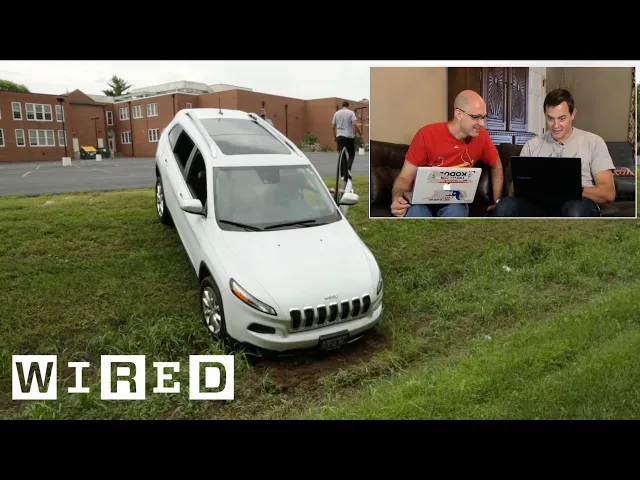
This demonstration features cybersecurity researchers Charlie Miller and Chris Valasek as they wirelessly sabotage a 2014 Jeep Cherokee to highlight critical vulnerabilities in connected vehicles.
One Report
Based on this KPMG study, while 98 per cent of surveyed global automakers have established structured programs to manage sensitive customer data, only 16 per cent explicitly employ "privacy by default" strategies.
One Infographic
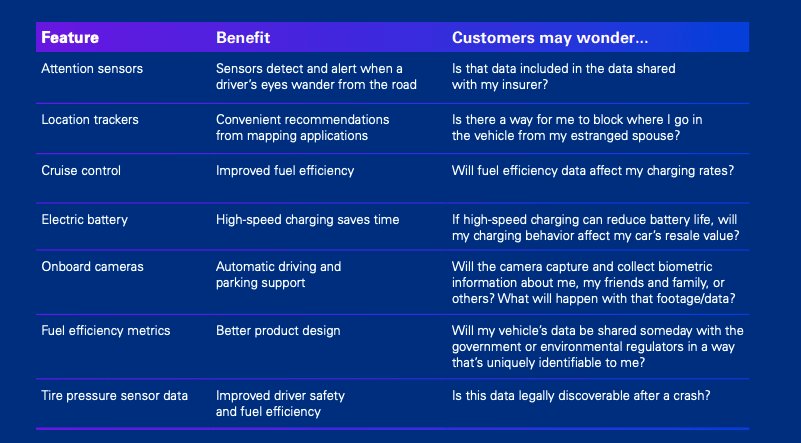
Source: KPMG
One Research Paper
This paper proposes a centralised privacy manager embedded in the vehicle's architecture that coordinates the application of privacy-enhancing technologies across all data flows.
One Step in the Right Direction
The BMW Group is moving its login systems to the Microsoft Azure cloud to improve security and adopt a "Zero Trust" approach. By using confidential virtual machines, they can protect sensitive data even while it is being processed in the computer's memory.